Millions of people in Pakistan work in government departments, dedicating a large part of their lives to public service. Unfortunately, most public servants only start thinking seriously about retirement when it is just a few years away. The truth is that retirement planning isn’t something to be handled in the final years of service — it’s a journey that should begin from day one of your career.
Why Retirement Planning Matters
After years of relying on a fixed monthly salary, a sudden drop in income after retirement can come as a major shock. Even with a pension, rising inflation, medical expenses, and costs like children’s education and weddings can create significant financial pressure. Planning ahead of time can substantially reduce this stress. Beyond finances, mental and physical peace of mind during retirement also depends heavily on financial stability.
Understanding Your Pension
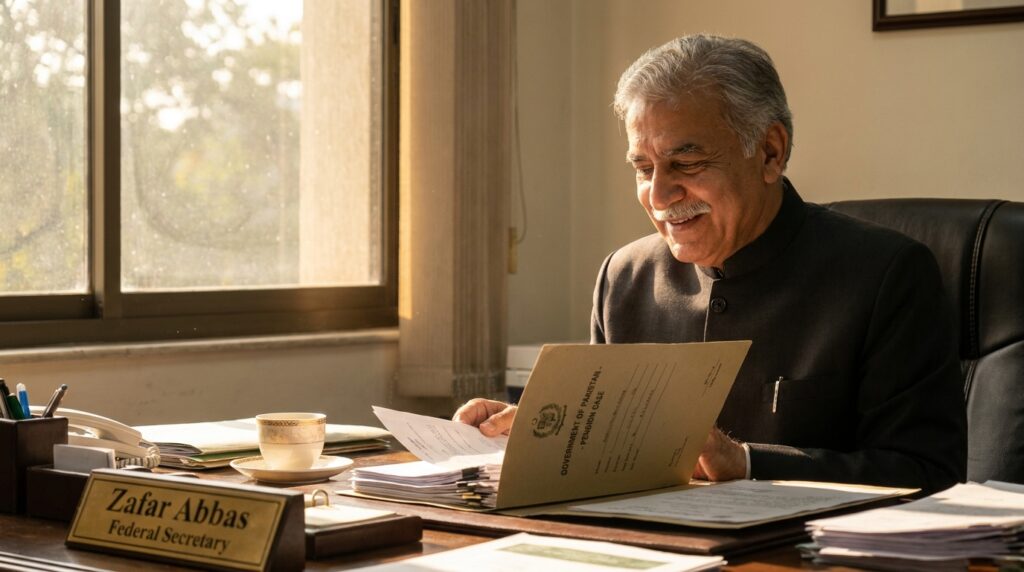
For government employees, pension is the most basic financial safety net. In Pakistan, federal and provincial governments offer various pension schemes, generally calculated based on your last drawn salary and years of service. Since pension rules are revised from time to time, it’s important for every employee to stay updated on the latest regulations from their department. It’s also worth understanding the commutation option, which allows a portion of the pension to be withdrawn as a lump sum at retirement, while the remainder continues as a monthly payment.
GP Fund and Benevolent Fund
The General Provident Fund (GP Fund) is another key retirement resource, where a portion of your salary is deducted monthly and returned with interest at retirement. Similarly, the Benevolent Fund and Group Insurance provide financial support during retirement or in case of accidents. Every employee should be well informed about the details of these funds — deduction rates, eligibility, and available benefits — to make the most of them when needed.
The Role of Gratuity
In some government and semi-government organizations, gratuity is also part of the retirement package. This amount is usually calculated based on years of service and the final salary drawn. Using gratuity wisely is crucial, as this lump sum can form the foundation for starting a business, building a house, or making further investments after retirement.
Investment Options for Retirement

Relying solely on pension may not be enough in today’s economic climate, especially with rising inflation. That’s why public servants should consider alternative investment avenues even while still employed.
- National Savings Schemes: Behbood Savings Certificates, Pensioners’ Benefit Accounts, and Regular Income Certificates offer safe and stable returns.
- Mutual Funds: Various Islamic and conventional mutual funds are good options for long-term investment.
- Real Estate: If finances allow, investing in rental property can provide a steady source of income.
- Gold and Other Assets: A limited investment in gold can also serve as a hedge against inflation.
Planning for Medical Expenses
As people age, medical expenses naturally increase. Many public servants aren’t fully aware of the healthcare benefits available to them after retirement. It’s important to check with your department, before retiring, what medical facilities will remain available, and if needed, arrange a separate health insurance policy for extra coverage.
The Benefits of Early Planning
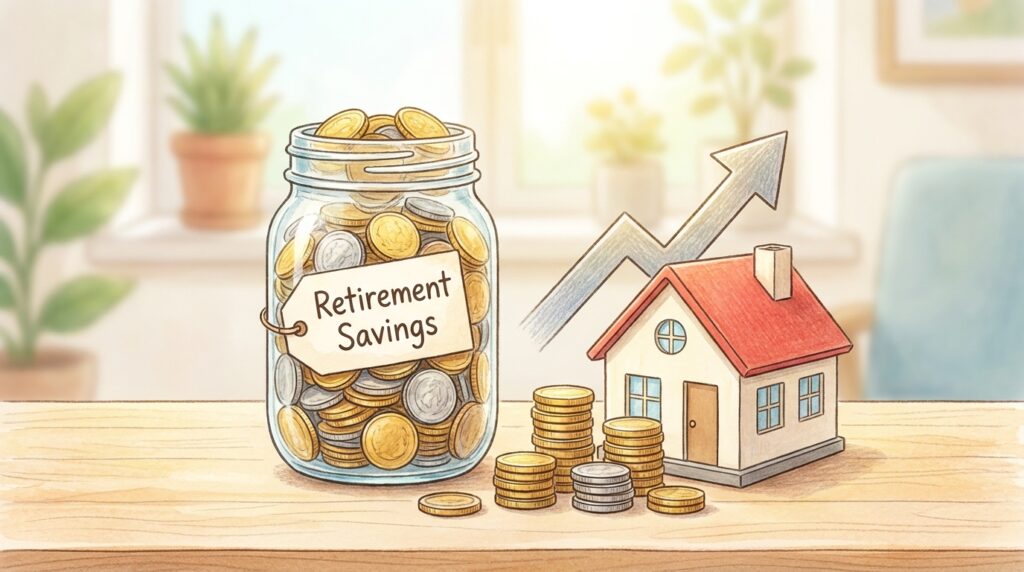
Employees who develop a habit of saving and investing early in their careers enjoy far greater financial peace at retirement. Experts generally recommend starting serious retirement planning at least ten to fifteen years in advance. This includes estimating your monthly expenses, calculating your expected pension and fund payouts, and identifying additional sources of investment income.
Practical Tips
- Set aside a portion of your salary every month for regular savings.
- Avoid unnecessary loans so that your financial burden is minimal at retirement.
- Regularly review your pension and fund-related documents with your department.
- Consult a qualified financial advisor to make informed investment decisions.
- Prepare an alternative source of income or a business plan well before retirement.
Conclusion
Retirement isn’t the end of life — it’s the beginning of a new chapter. If public servants plan ahead by considering pension, GP Fund, gratuity, and investment options, this new chapter can be filled with peace and prosperity. A small decision made today can lead to significant financial ease tomorrow, so don’t put off retirement planning — start today.