
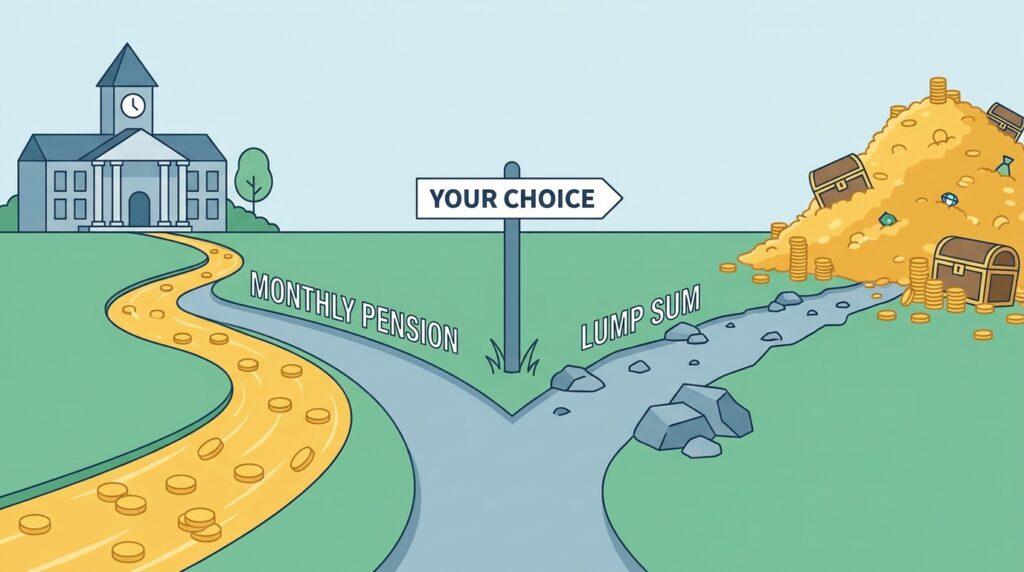
When you retire, you often face a big choice. You can take your pension as monthly payments. Or you can take it as one lump sum.
This decision affects your whole retirement. So it’s important to get it right.
This guide will help you understand both options. It will help you choose the one that fits your life best.
What Is a Pension Payout?
A pension payout gives you fixed monthly payments. These payments continue for the rest of your life.
Some pensions also continue for your spouse after you pass away. This is called a survivor benefit.
Pension payments are steady. They arrive every month, like a paycheck.
What Is a Lump Sum Payout?
A lump sum gives you the full value of your pension in one payment. You receive it all at once.
After that, you are in charge of the money. You must invest it, save it, or spend it wisely.
There are no more monthly payments after this. The responsibility shifts to you.

Key Differences between the Two Options
Let’s break this down simply.
Pension payments:
- Give you steady income for life
- Are managed by your pension provider
- Often include spouse benefits
- Protect you from market ups and downs
Lump sum payments:
- Give you full control of the money
- Let you invest it your way
- Can run out if not managed well
- May offer more flexibility
Now let’s look at how to choose between them.
1. Think about Your Life Expectancy
This is a hard topic. But it matters.
If you expect to live a long life, a pension may be better. It pays you every month, no matter how long you live.
If your health is a concern, a lump sum might make more sense. You can use the money sooner and plan for your family’s future.
2. Consider Your Comfort with Managing Money
Ask yourself a simple question. Do you feel confident managing large amounts of money?
If yes, a lump sum could work well. You can invest it and try to grow it further.
If no, a pension may feel safer. You don’t have to manage anything. The payments just arrive each month.
3. Think about Other Sources of Income
Do you have other retirement income? This could include:
- Social security
- Rental income
- Savings accounts
- A working spouse
If you already have steady income from other sources, a lump sum may add helpful flexibility.
If a pension would be your main income, steady monthly payments may feel more secure.
4. Look at Inflation Protection
Prices rise over time. This is called inflation.
Some pensions increase slightly each year to match inflation. Others stay fixed forever.
If your pension does not adjust for inflation, its value will shrink over time. A lump sum, if invested well, may grow faster than inflation.
Check your pension plan. Find out if it includes inflation protection.
5. Think about Your Spouse and Family
Pensions often include a survivor benefit. This means your spouse can keep receiving payments after you pass away.
A lump sum does not work this way. But it can be passed on as an inheritance if any money remains.
If protecting your spouse’s income is your top priority, a pension may be the safer path.
If leaving money to your children or family matters more, a lump sum may offer more control.
6. Consider Your Health Care Needs
Some retirees face rising medical costs. A lump sum can help cover big expenses right away.
A pension gives smaller amounts each month. This may not be enough for large medical bills.
Think about your current health and your family’s medical history. This can guide your decision.
7. Understand the Risk of Running Out of Money

This is one of the biggest concerns with a lump sum.
If you spend too quickly or make poor investments, the money can run out. Once it’s gone, there are no more payments.
A pension protects you from this risk. It keeps paying you for life, no matter what.
If you worry about running out of money, a pension offers more peace of mind.
8. Think about Taxes
Lump sum payouts are often taxed differently than monthly pensions. In many cases, a large lump sum can push you into a higher tax bracket for that year.
Pension payments are usually taxed gradually, spread out over many years.
Talk to a tax professional before deciding. This step can save you a lot of money.
9. Consider Your Investment Knowledge
If you take a lump sum, you become responsible for growing it. This requires investment knowledge.
If you understand stocks, bonds, and mutual funds, you may feel comfortable with this task.
If investing feels confusing or stressful, a pension removes this burden completely.
10. A Simple Way to Decide
Ask yourself these questions:
- Do I want steady income or full control?
- Am I confident managing large sums of money?
- Do I have other income sources?
- Is protecting my spouse a priority?
- Do I want flexibility for medical or family needs?
Your answers will point you toward the right choice.
Can You Choose Both?
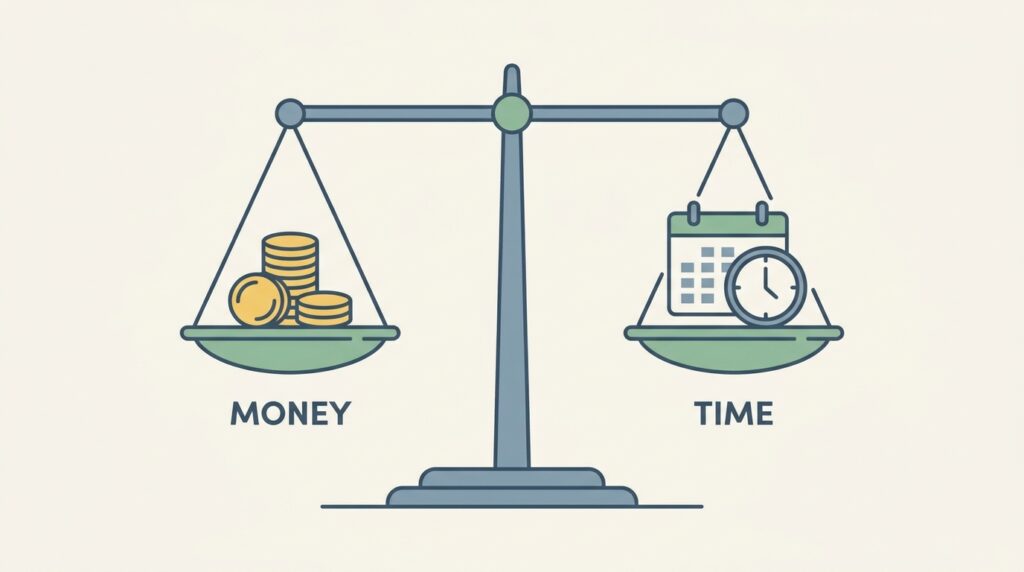
Yes, in some cases. Some pension plans offer a partial lump sum. This means you take some money upfront and still receive smaller monthly payments.
This option can offer the best of both worlds. Check with your pension provider to see if this choice is available.
Final Thoughts
There is no single right answer. The best choice depends on your health, your comfort with money, and your family’s needs.
Planning to retire in 5 years? Follow this simple financial checklist to save smarter, cut debt, plan healthcare, and prepare for a secure retirement.
Take your time. Review your finances carefully. Talk to a financial advisor if possible.