
Living on a single salary has become increasingly difficult in today’s economy. Rising inflation, children’s education costs, and everyday expenses have made it hard to depend on just one source of income. For public servants, this situation can be especially tricky, since most government departments restrict employees from taking up a full-time second job or business. However, this doesn’t mean all doors to a second income are closed. With the right information and a cautious approach, public servants can still find ways to earn extra income within legal boundaries.
Precautions Before Starting a Second Income

First, it’s important to understand that every government department has its own set of rules. Some departments completely prohibit employees from running any kind of personal business, while others allow it under specific conditions. Before taking any step, carefully review your department’s conduct rules and service regulations, and if necessary, obtain written permission from the relevant authorities. Also, choose a second income source that won’t interfere with your official duties or create a conflict of interest.
Freelancing: Turn Your Skills Into Income
Freelancing is one of the most popular and accessible options today. If you have skills in writing, graphic design, web development, data entry, translation, or digital marketing, you can use your free time to earn additional income. Platforms like Fiverr, Upwork, and Freelancer make it easy to find projects. The biggest advantage of freelancing is flexibility — you can work at your own pace without it affecting your government job.
Online Blogging and Content Writing

If you enjoy writing, blogging can be a great alternative income stream. By starting a blog on a topic you’re knowledgeable or passionate about, you can eventually earn through advertisements, sponsored content, and affiliate marketing. While blogging doesn’t yield instant results, consistent effort over time can turn it into a stable source of income.
Online Teaching and Tutoring
Many public servants have significant expertise and experience in their respective fields. This knowledge can become a source of income through online tutoring or courses. Teaching online classes on various platforms, or uploading educational content to YouTube, can generate a decent income. This kind of work can easily be done in the evenings or on days off.
Agricultural Land and Livestock
Public servants who own agricultural land can also earn a second income through farming or livestock rearing. Since this work can typically be managed with the help of family members or hired hands, it doesn’t interfere with official responsibilities. Small ventures like poultry farming, dairy farming, or vegetable cultivation can prove profitable over time.
Passive Income Through Investment
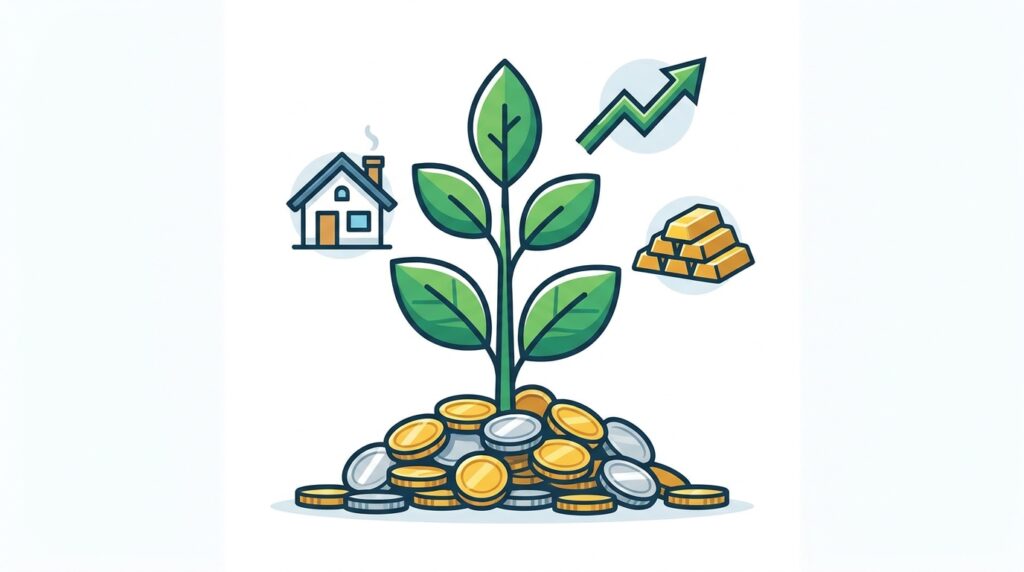
If you’d rather not take on active extra work, earning passive income through investment is an excellent option.
- Mutual Funds and Stock Market: Long-term investments can generate returns, though proper research and consultation with a financial advisor is recommended.
- Rental Property: If finances allow, purchasing an additional house or shop to rent out can provide a steady income stream.
- National Savings Certificates: A good choice for those seeking safe and stable returns.
E-Commerce and Online Selling

Many people today are starting small-scale e-commerce businesses from home. Selling products on platforms like Daraz, or marketing handmade items, clothing, or other goods through social media pages, can also be a good option. This kind of business can be registered under a family member’s name to avoid conflicts with departmental regulations.
The Importance of Balance and Caution
Earning a second income is certainly beneficial, but it should never come at the cost of your primary government responsibilities. Proper time management, clear priorities, and full compliance with your department’s rules are essential. Risking your main job for the sake of extra income is never a wise decision.
Practical Tips
- Always check your department’s rules before starting any second income activity.
- Choose an income source that matches your skills and interests.
- Create a schedule so your official duties are not affected.
- Start small and scale up as you gain experience.
- Set aside a portion of your extra income for savings and investment.
Conclusion
A second income isn’t just about financial ease today — it can also be a source of long-term financial security. Public servants should make the most of their skills and resources while staying within legal boundaries. Whether through freelancing, blogging, teaching, agriculture, or investment, choosing the right path and putting in consistent effort can lead to a stable and reliable additional income stream.