Retirement feels far away when you’re 30. It feels very close when you’re 55. Either way, retirement planning is not something you can leave for “later.” Later has a way of showing up faster than you think.
If you work in the public sector in Pakistan or any corner of the world, your retirement looks a bit different from someone in the private sector. You have a pension. You may have a GP Fund. You might get gratuity too. That sounds like a safety net, and it is. But it’s not automatic comfort. You still need a plan.
This guide breaks down retirement planning in plain language. No jargon. No 40-page PDFs. Just what you actually need to know.
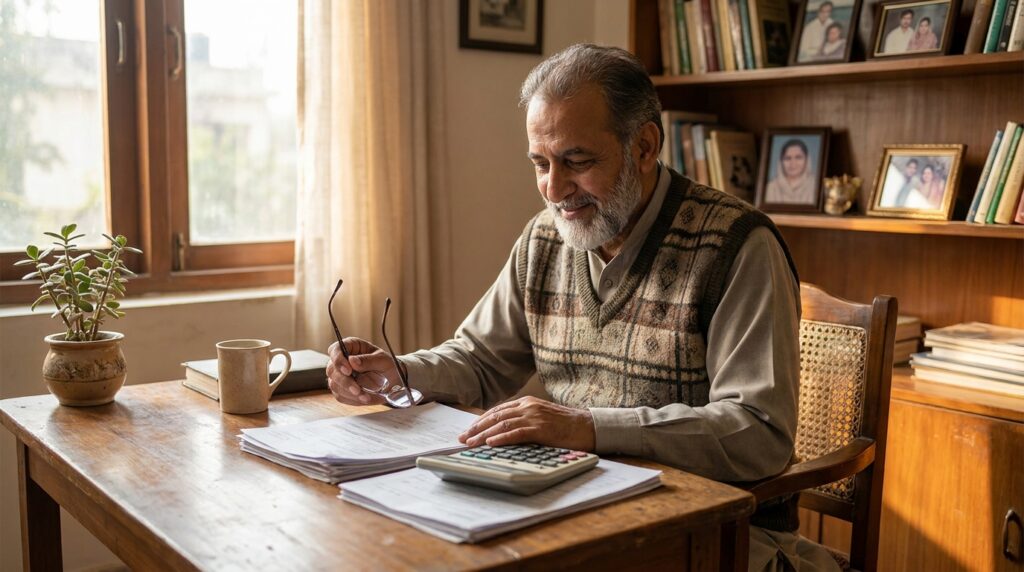
Why Retirement Planning Matters, Even With a Pension
A lot of government employees assume the pension will “take care of things.” And it will help. But here’s the honest truth: pension alone often isn’t enough to maintain your current lifestyle.
Prices go up every year. Medical costs rise faster than almost anything else. Your children may still need support for education or weddings, even after you’ve retired. A pension check that felt comfortable at 60 might feel tight at 70.
Good retirement planning means looking at your whole financial picture, not just one piece of it. Pension is one piece. Savings are another. Investments are another. Health coverage is another.
Step 1: Know Your Numbers
Before you plan anything, you need real numbers in front of you. Vague ideas don’t help.
Find out:
- Your expected pension amount at retirement
- Your GP Fund balance and how it grows
- Any gratuity you’re entitled to
- Outstanding loans or debts you’ll still be paying off
Once you have these numbers, you can see the gap. The gap is the difference between what you’ll have and what you’ll actually need each month. That gap is what your retirement planning should focus on closing.
Step 2: Estimate Your Real Monthly Expenses
This step surprises people. Most of us don’t actually know what we spend each month. We guess.
Sit down for one weekend and go through your last three months of expenses. Include everything: groceries, utilities, medical bills, transport, family support, occasional big expenses like Eid or weddings.
Now imagine that same list, but without a daily commute to the office, and with more medical costs as you age. That’s a rough picture of your retirement expenses. It’s usually 70 to 90 percent of your working-life expenses, not less as people often assume.
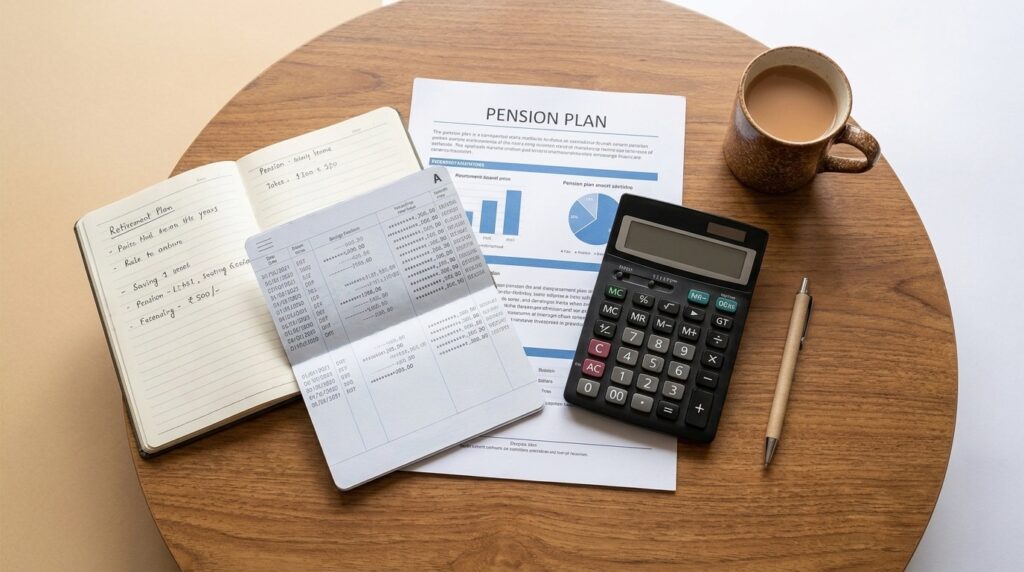
Step 3: Start Saving Separately From Your Pension
Your pension is fixed. It’s not something you control day to day. But personal savings are something you can build, adjust, and grow.
Even a small amount saved every month adds up over 15 or 20 years. This is where retirement planning becomes personal, not just institutional.
Some simple options for government employees in Pakistan:
- National Savings Schemes – Behbood Savings Certificates, Pensioners’ Benefit Account, and Regular Income Certificates are designed with retirees in mind. They offer steady profit and relatively low risk.
- Voluntary Pension System (VPS) – regulated by SECP, this lets you build a separate retirement fund with some flexibility in how it’s invested.
- Bank fixed deposits – simple, low-risk, and easy to understand if you’re not comfortable with market-linked investments.
The point isn’t to pick the “best” one. The point is to pick one and start. Retirement planning rewards consistency more than perfect choices.
Step 4: Don’t Ignore Health Costs
This is the part most retirement plans get wrong. People plan for monthly living expenses but forget medical emergencies.
As you get older, health costs don’t rise slowly. They often jump suddenly, with one hospital stay or one diagnosis. If your pension scheme includes health coverage, understand exactly what it covers and what it doesn’t. If it doesn’t cover much, consider a separate health insurance plan while you’re still working and premiums are lower.
This single step can protect your entire retirement plan from falling apart due to one unexpected illness.
Step 5: Think About Where You’ll Live
Housing is one of the biggest retirement expenses, or it can be one of the smallest, depending on your situation.
If you already own your home outright by retirement, that’s a huge advantage. If you’re still paying a mortgage or rent, factor that fully into your retirement planning. Some people choose to downsize before retiring, moving to a smaller home or a lower-cost city, freeing up money for other needs.
There’s no single right answer here. But it’s a decision you should make deliberately, not by default.
Step 6: Review Your Plan Every Few Years
Retirement planning isn’t a one-time task. It’s something you revisit.
Every two or three years, check in on your numbers. Has your pension policy changed? Has inflation eaten into your savings more than expected? Have your family responsibilities shifted?
Life changes. Your plan should change with it. People who check in regularly catch problems early, while there’s still time to fix them.
Common Mistakes to Avoid
A few patterns show up again and again in retirement planning, and they’re worth naming directly:
- Waiting too long to start. Even five extra years of saving makes a real difference, thanks to compounding.
- Assuming pension alone is enough. It rarely is, especially with rising healthcare and living costs.
- Not accounting for inflation. Money today buys more than the same amount will in 15 years.
- Skipping health insurance. One hospital bill can undo years of careful saving.
- Not involving your spouse in the planning. Retirement affects the whole household, so the planning should too.
A Simple Way to Start Today
You don’t need a financial advisor to begin. Start with one action this week: pull together your pension estimate, your GP Fund statement, and a rough monthly expense list. That’s it. That’s the beginning of real retirement planning.
From there, pick one savings option and set up a small, automatic monthly contribution. Even a modest amount, done consistently, builds real security over time.

Final Thoughts
Retirement planning isn’t about predicting the future perfectly. It’s about giving yourself options when the future arrives. Public servants in Pakistan have a head start with pension and GP Fund benefits, but that head start only pays off with a bit of extra planning on your part.
Start small. Start now. Your future self will be glad you did.